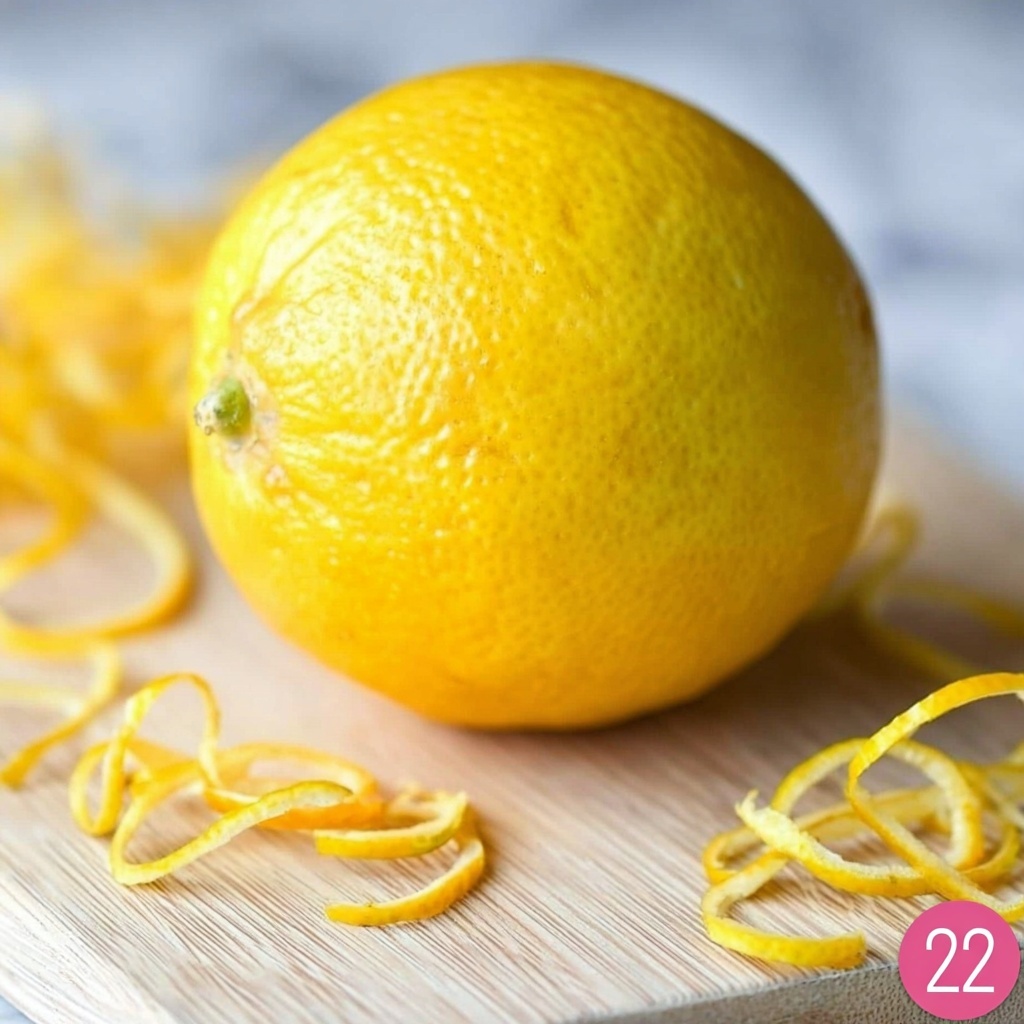
If you’ve ever wanted to add a burst of fresh, citrusy brightness to your cooking or baking, learning How to Zest a Lemon (5 Ways!) Recipe is an absolute game changer. This simple yet delightful technique unlocks the vibrant oils and flavors of lemon peel, transforming everyday dishes into something spectacular. Whether you’re new to zesting or just looking to expand your toolkit, these five foolproof methods will have you zesting like a pro in no time, adding that perfect zing to salads, desserts, marinades, and more.
Ingredients You’ll Need
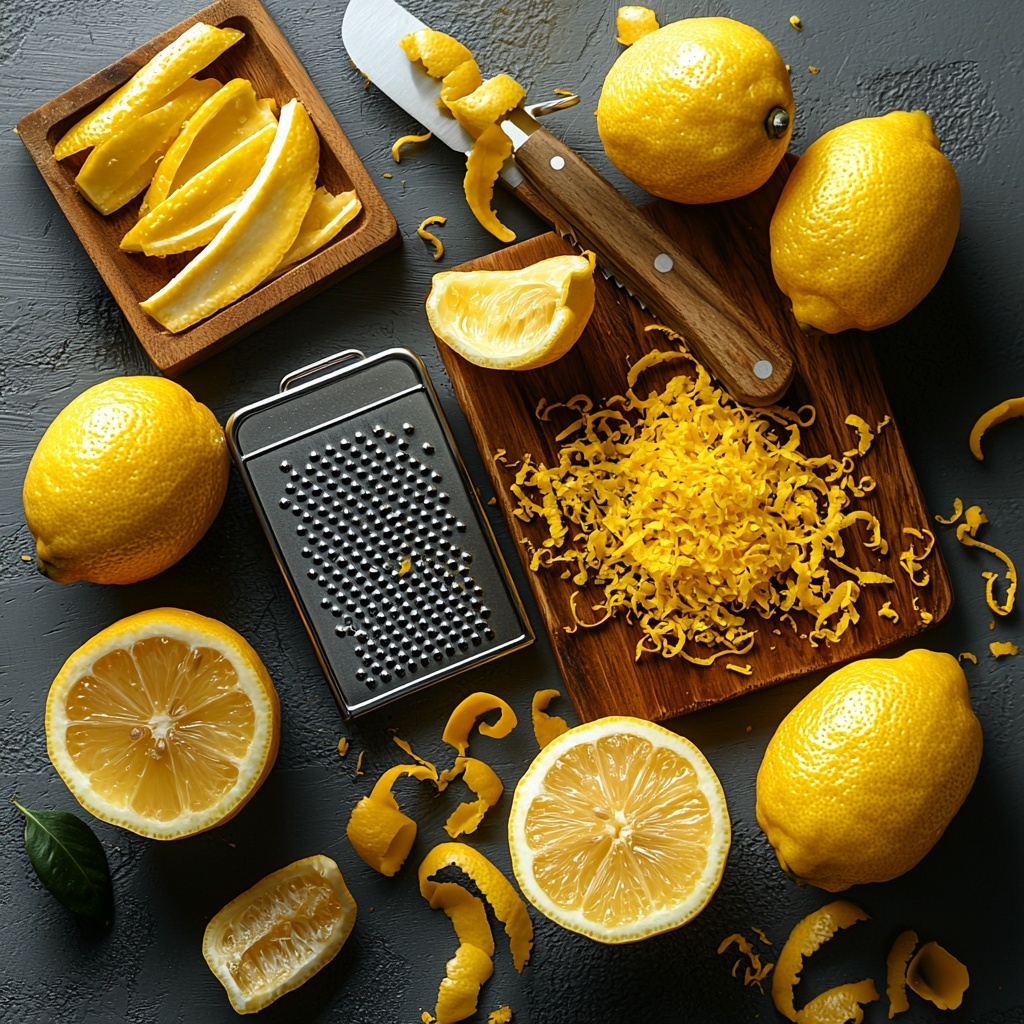
When it comes to zesting lemons, the list is delightfully minimal but incredibly important. Each ingredient contributes a refreshing burst of flavor, a splash of color, or a bright aroma that makes dishes sing with freshness.
- Lemons: Always choose firm, unwaxed lemons with bright yellow skin for the freshest zest packed with essential oils and vibrant taste.
How to Make How to Zest a Lemon (5 Ways!) Recipe
Step 1: How to Zest a Lemon with a Microplane
This is the classic go-to method for many cooks—and for good reason! Hold your microplane securely and gently rub the lemon back and forth over the grates, rotating as you go. The microplane’s tiny, sharp edges excel at removing just the zest—avoiding the bitter white pith underneath. A word of caution: watch those fingers closely; microplanes are extremely sharp!
Step 2: How to Zest a Lemon with a Citrus Zester
A citrus zester makes beautiful thin strips of zest that are perfect for garnishes or infusions. Place the sharp, fine-edged holes along the curve of the lemon, press lightly, and pull downward to strip away the outer peel. Repeat until all the zest is gone, leaving only the pith behind. This technique is great for getting long strips for creative presentation.
Step 3: How to Zest a Lemon with a Boxed Cheese Grater
If a microplane isn’t handy, your box grater is ready to step in. Use the smallest-sized holes on the grater’s side and gently rub the lemon against them, turning carefully to avoid zesting too much of the bitter pith. It’s an easy method that gives you fine zest quickly, perfect for mixing into batters and doughs.
Step 4: How to Zest a Lemon with a Vegetable Peeler
This method is fantastic when you want thicker strips of zest for infusing teas or spirits. Place the peeler’s sharp edge at the top of the lemon and drag it down the side, removing just the bright yellow peel. Take your time to avoid the white pith beneath as much as possible. Once you have strips, you can finely chop them if you want smaller pieces for cooking or baking.
Step 5: How to Zest a Lemon with a Knife
Using a knife to zest is a bit more advanced but rewarding for control over the size and shape of your zest pieces. Start by cutting off one end of the lemon, then stabilize it on the board. Carefully slice away thin strips of the yellow peel at an angle, avoiding the bitter pith. Afterward, trim off any remaining white bits and chop the zest to your desired size. This technique gives you the most customizable zest texture.
How to Serve How to Zest a Lemon (5 Ways!) Recipe
Garnishes
Brightening a dish with freshly zested lemon adds an instant pop of sunshine. Use finely grated zest to sprinkle atop fresh salads, creamy desserts, or cocktails. Thin strips from the citrus zester or vegetable peeler work beautifully curled as a garnish, adding elegance and aromatic charm.
Side Dishes
Lemon zest works magic in side dishes, bringing brightness and complexity. Sprinkle zest over roasted vegetables, mix it into grain salads like quinoa or couscous, or fold it into buttery mashed potatoes for a subtle citrus finish that lifts the entire dish.
Creative Ways to Present
Why not get inventive? Freeze lemon zest in ice cubes to add flavor to drinks, mix it into homemade herb butters, or use long lemon zest strips to infuse oils and vinegars. These fun serving ideas highlight just how versatile learning How to Zest a Lemon (5 Ways!) Recipe can be in the kitchen.
Make Ahead and Storage
Storing Leftovers
Freshly zested lemon keeps best when stored in an airtight container in the fridge. That zingy freshness typically stays intact for about 3 to 5 days, allowing you to prep zest in advance for your recipes without worry.
Freezing
You can freeze lemon zest to preserve its bright flavor for longer periods. Spread the zest on a parchment-lined tray and freeze, then transfer to a sealed bag or container. This way, zest stays fresh in the freezer for up to 3 months and can be added straight to dishes from frozen.
Reheating
Lemon zest isn’t typically reheated on its own but when added to cooked dishes, the citrus oils will release beautifully with gentle warming. Just avoid overcooking the zest itself to keep that fresh, vibrant flavor front and center.
FAQs
Can I use any kind of lemon for zesting?
Absolutely! Just choose fresh, firm lemons with bright skin. Organic or unwaxed lemons are ideal since their peels are free from chemicals, but if you wash your lemons well, conventional ones work too.
Why should I avoid the white pith when zesting?
The white pith under the yellow peel is very bitter. Removing just the bright outer zest means your dishes get all the lemon’s fragrant oils and flavor without any unpleasant bitterness.
Is zesting different from peeling a lemon?
Yes, zesting refers specifically to scraping off the very outermost layer of the lemon peel, which contains the flavorful oils. Peeling removes thicker layers and the bitter pith, which is not ideal for most recipes calling for zest.
How can I safely zest a lemon without cutting myself?
Take your time and keep your fingers away from the sharp blades of graters, peelers, or knives. Using tools like microplanes or citrus zesters designed for zesting minimizes risk, but always go slow and steady.
Can I zest other citrus fruits using these methods?
Absolutely! Oranges, limes, and grapefruits all zest beautifully using these techniques, just remember to adjust for thickness of peel and acidity based on the fruit you’re using.
Final Thoughts
Mastering How to Zest a Lemon (5 Ways!) Recipe is one of those simple kitchen skills that elevates your cooking and baking in exciting ways. Each method offers its own charm and practical advantages, so giving them all a try will make you a zesting enthusiast with a variety of options at your fingertips. Go ahead and add that fresh burst of lemon brightness to your favorite dishes—you’ll wonder how you ever lived without it!
Print
How to Zest a Lemon (5 Ways!) Recipe
- Prep Time: 2 minutes
- Cook Time: 0 minutes
- Total Time: 2 minutes
- Yield: Zest from 1 lemon
- Category: Preparation
- Method: No-Cook
- Cuisine: Universal
Description
This guide provides five effective methods for zesting a lemon, each using different kitchen tools including a microplane, citrus zester, boxed cheese grater, vegetable peeler, and knife. Zesting lemon peel adds bright, citrusy flavor to many recipes and these detailed instructions ensure you remove only the flavorful zest without the bitter pith.
Ingredients
Ingredients
- 1 lemon
Instructions
- To Zest with a Microplane: Move the lemon back and forth over the grates of the microplane, rotating it as you go. Be careful with your fingers as the microplane is very sharp. Continue zesting until all the yellow peel has been removed.
- To Zest with a Citrus Zester: Place the sharp-edged holes at one end of the lemon, following its curve. Push slightly into the fruit and pull down to remove strips of peel. Repeat until only the white pith remains.
- To Zest with a Boxed Cheese Grater: Use the side with the smallest holes. Grate the lemon gently back and forth until the entire yellow zest is removed. Take care to avoid grating the white pith.
- Using a Vegetable Peeler: Position the peeler’s sharp edge at one end and pull down gently to peel off strips of zest, avoiding the white pith. Repeat until all desired zest is removed.
- To Zest with a Knife: Cut off one end of the lemon and place it cut side down on a board. Carefully slice at an angle to remove the yellow zest without the pith. Optionally, finely chop the zest strips for smaller pieces.
Notes
- Always avoid the white pith underneath the zest as it is bitter.
- Use gentle pressure with tools to avoid removing the pith.
- Wash and dry the lemon thoroughly before zesting.
- Zest can be used fresh or dried for later use.
- Finely chopped zest can be added to recipes for more intense flavor distribution.